What Home Health Aides Do and Why Demand Is Rising
Home health aide jobs center on delivering essential, hands-on support that allows clients to remain safely in their own homes. An HHA typically assists with activities of daily living—bathing, grooming, dressing, toileting, and safe transfers—as well as light meal preparation, mobility support, medication reminders as directed by a care plan, and light housekeeping related to the client’s care. Just as important is companionship: reading aloud, engaging in conversation, or accompanying a client on short walks can brighten a day and support emotional well-being. In many cases, aides also observe and report changes in appetite, mood, skin condition, or mobility to a nurse or supervisor, contributing to a team approach that keeps care both safe and effective.
Demand is growing quickly as aging adults prefer to age in place and health systems continue to expand home-based care. With more older adults living longer—often managing multiple chronic conditions—families and care providers increasingly rely on HHAs to reduce hospitalizations and help with recovery after surgery or illness. Pediatric and disability support in the home is also a growth area, where aides can help children or adults maintain routines, therapies, and independence. This is why flexible schedules, reliable transportation, and strong communication skills remain highly valued in the field.
Settings and shifts vary widely. Some HHAs work short hourly shifts for clients needing basic assistance; others take on overnight or live-in assignments where continuous support is appropriate under local regulations. In hospice and palliative settings, aides provide personal care and comfort-focused support, coordinating with nurses, social workers, and families. In dementia care, HHAs learn techniques for managing sundowning, reducing agitation, and promoting a predictable routine. The ability to adapt—switching from meal prep to a safe transfer, then to documentation—distinguishes a strong HHA.
Today’s aides also use simple technologies. Electronic Visit Verification (EVV) apps log time and tasks, while digital care plans and secure messaging help align families and clinicians. Mastery of basic safety tools—gait belts, non-slip footwear, and proper body mechanics—protects both the client and the aide. Above all, compassion and respect are non-negotiable. Clients often invite HHAs into intimate moments of daily life; empathy, cultural sensitivity, and professionalism cultivate trust and long-term success in this meaningful career.
Training, Certification, and Pay: How to Qualify and Advance
To qualify for most home health aide jobs, you’ll need to meet state and employer requirements that often include training, skills competency, and background checks. For Medicare-certified agencies, federal rules require at least 75 hours of training and a competency evaluation. Many states set their own standards—some mirror the federal threshold, while others add clinical hours, in-service education, or registry enrollment. Prospective HHAs commonly complete instruction in personal care techniques, infection control, emergency procedures, safe transfers, communication, and patient rights. Employers may also request current TB screening, proof of immunizations, and CPR/First Aid.
Certification and titles can vary. In some states, “Home Care Aide” registration is mandatory and includes fingerprinting or a live scan, while elsewhere a formal “Home Health Aide” program is the norm. If you’re switching from a related role—such as Personal Care Aide (PCA) or Certified Nursing Assistant (CNA)—ask if your prior training covers HHA competencies or if a bridge course is offered. Always verify state-specific rules with your health department or licensing board so your credentials align with local requirements.
Pay depends on geography, experience, and case complexity. Urban markets and overnight or live-in assignments often pay more; specialized cases (for example, clients with tracheostomies or advanced dementia) may also offer higher rates when allowed by scope and training. Benefits differ by employer: W‑2 roles can include paid time off, health insurance, or retirement plans, while independent contractor arrangements may pay a higher hourly rate but require you to manage taxes and purchase your own insurance. Clarify overtime policies, mileage reimbursement, and whether travel time is compensated.
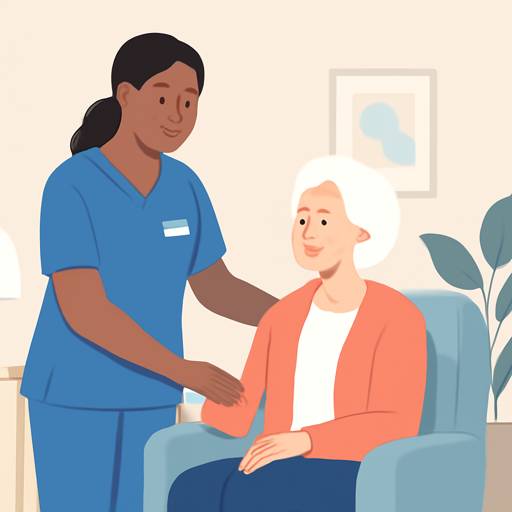
Career paths are diverse. Many HHAs grow into CNAs, medication aides (where permitted), LPNs, or RNs. Others specialize in hospice, memory care, or pediatric support. Consider stacking micro-credentials—safe lift and transfer, dementia communication, hospice fundamentals, and HIPAA basics—to stand out. Employers notice aides who document clearly, communicate changes promptly, and follow the care plan precisely. Building a strong professional network—supervisors, nurses, therapists, and fellow HHAs—also leads to steadier schedules and referrals for higher-responsibility cases.
Finding the Right Fit: Job Search Strategies, Interviews, and On-the-Job Success
Start by defining your preferences. Do you want consistent daytime hours or nights and weekends? Are you comfortable with pets, smokers, or walk-up buildings? Are you seeking live-in cases under state-compliant rest and meal break rules, or short shifts near home? Once you know your targets, explore agencies, local care registries, community organizations, and reputable job boards dedicated to caregiving. For example, you can scan current openings and apply to curated home health aide jobs that match your skills and availability.
Set yourself up for success with a clear, client-centered resume. Highlight core competencies like safe transfers, bathing and grooming, meal prep for dietary restrictions, dementia communication strategies, and infection control. List certifications and languages, note your driver’s license and reliable vehicle if applicable, and specify shift preferences. Gather professional references who can vouch for punctuality, teamwork, and reliability—essential traits in private homes where families depend on you day to day.
When interviewing, prepare scenario-based answers. Describe how you handle a fall risk, support a client with Parkinson’s during transfers, de-escalate agitation in dementia, or respond if you suspect abuse or neglect. Emphasize boundary-setting (no financial handling without authorization, no sharing personal details), accurate documentation, and adherence to the care plan. Clarify pay structure, overtime, holiday rates, PPE availability, and supervision. Confirm whether the role is W‑2 or 1099 and how taxes, breaks, and scheduling changes are handled. Reputable employers will welcome your questions and provide clear policies.
Do due diligence before accepting an offer. Verify the company’s business details, read reviews, confirm background check processes, and request a written agreement that outlines pay, schedule, duties, and who to contact after hours. If you’re connecting directly with a family, ensure safety by meeting in a public place first, bringing a friend to the initial home visit if appropriate, and confirming payment terms in writing. Responsible job platforms connect families and caregivers but do not replace your own diligence—staying mindful protects your safety and professionalism.
On the job, consistency is your superpower. Arrive on time, follow universal precautions, and document tasks and observations succinctly. Use a respectful tone, explain what you’re doing before you do it, and maintain the client’s dignity during personal care. For example, when assisting Mr. J., a stroke survivor with right-side weakness, an HHA might lay out clothing methodically, cue him to engage his strong side first, position a chair for safe balance during dressing, and record any changes in his range of motion. Over several weeks, steady routines and encouragement can reduce fall risk, improve mood, and give family members peace of mind.
Finally, care for yourself. Many HHAs juggle multiple clients and family responsibilities. Prioritize rest, keep your vaccinations current, and seek support from supervisors if a case feels unsafe or outside your scope. Continuing education—whether in dementia care, hospice comfort measures, or mobility and body mechanics—keeps your skills sharp. With compassion, competence, and boundaries, home health aide jobs offer a rare combination of stability, flexibility, and personal fulfillment—helping people live well, at home, every day.

Delhi-raised AI ethicist working from Nairobi’s vibrant tech hubs. Maya unpacks algorithmic bias, Afrofusion music trends, and eco-friendly home offices. She trains for half-marathons at sunrise and sketches urban wildlife in her bullet journal.