What Families Should Look For in an Early Learning Center in Alexandria
Finding the right early learning center is one of the most important choices families in Alexandria make during the early years. High-quality programs do more than supervise; they foster curiosity, confidence, and a love of learning. Start with the foundation: a play-based learning philosophy that treats play as purposeful work. When children explore through blocks, art, music, dramatic play, and outdoor adventures, they are building language, early math, problem-solving, and social skills in developmentally appropriate ways.
Teacher quality is crucial. Look for caring educators trained in early childhood development who observe, guide, and document children’s progress. Classrooms should feature a warm, inviting atmosphere, rich with hands-on materials and defined learning centers—reading nooks, sensory tables, science corners, and art studios—so children can make meaningful choices. Ask about student–teacher ratios, continuity of care, and how the team supports routines, transitions, and conflict resolution with empathy and consistency.
Safety and health come next. A strong early learning center in Alexandria will maintain secure entry protocols, frequent sanitation, and clear illness policies, as well as sun-safe outdoor time and allergy-aware snack and meal practices. Transparent communication is a must: daily updates, photo journals, and easy-to-reach directors help families stay informed and connected. It’s also wise to check licensing and consider whether the program participates in quality initiatives or uses recognized curricula aligned to Virginia’s early learning guidelines.
Local convenience matters for Northern Virginia families. Alexandria parents often balance commutes along I-395, Route 1, or the King Street corridor, so a center with commuter-friendly hours, reliable year-round schedules, and proximity to neighborhoods like Old Town, Del Ray, or the West End can make daily routines smoother. Look for programs that embrace the community: visits to neighborhood libraries, nature walks at local parks, and projects that reflect Alexandria’s history and diversity. Finally, inclusivity and family partnership should shine—programs that welcome every child, celebrate cultures and languages, and invite families to collaborate help children feel secure and valued from day one.
How Play-Based Learning Fuels Kindergarten Readiness and Lifelong Skills
Alexandria families often hear about “kindergarten readiness,” but the most enduring preparation comes from a joyful, play-based learning approach that nurtures the whole child. Through well-planned play, children practice executive function skills—focus, working memory, and self-control—that are indispensable for school success. They also develop resilience, creativity, and a growth mindset as they test ideas, encounter challenges, and iterate on their plans with teacher support.
Consider a block center: while it looks simple, children are measuring, comparing, balancing, and predicting—early STEM at its best. When a child decides to build a bridge inspired by the Potomac waterfront, they experiment with shapes and stability, negotiate roles with peers, and use rich vocabulary to describe their design. In the dramatic play area, children take on different perspectives—becoming shopkeepers, veterinarians, chefs—expanding language, storytelling, and empathy while learning to collaborate, take turns, and solve social problems.
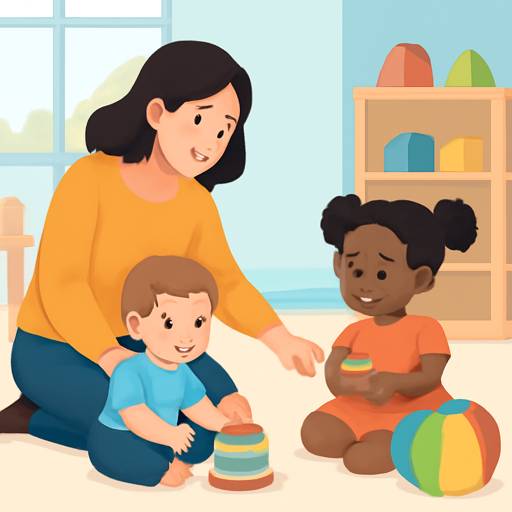
Sensory play builds fine-motor control and scientific thinking as children pour, sift, and observe cause and effect. Art and music nurture self-expression, pattern recognition, and spatial awareness. Outdoor play—so essential in early childhood—promotes gross-motor development, risk assessment, and environmental stewardship. Thoughtful teachers scaffold these experiences, asking open-ended questions like “What do you notice?” or “How could we make this stronger?” to deepen critical thinking without taking over the child’s discovery.
A strong early learning center uses observation and documentation to tailor learning to each child’s interests and needs. Educators track progress in language, literacy, math, motor skills, and social–emotional growth, then share those insights with families through portfolios and conferences. This collaborative reflection helps teachers plan next steps—introducing new materials, adjusting challenges, or connecting an individual passion (trains, butterflies, maps) to broader learning goals. The result is a continuum of development where children feel confident, capable, and excited to enter kindergarten not just knowing letters and numbers, but equipped with the curiosity and self-regulation that fuel lifelong learning.
Alexandria-Specific Advantages: Community Connections, Schedules, and Support for Working Parents
Choosing an early learning center in Alexandria brings unique advantages—especially when the program is deeply woven into local life. Many families juggle demanding schedules between Old Town offices, the Pentagon, and downtown D.C., so reliable full-day care, flexible drop-off and pick-up windows, and year-round programming make a world of difference. Centers that plan thoughtfully for teacher training days and holidays, communicate schedules well in advance, and offer summer enrichment help parents manage work commitments without sacrificing quality learning time.
Alexandria’s diversity is one of its greatest strengths. Children benefit from classrooms that reflect a tapestry of cultures, languages, and family traditions. Programs that celebrate local festivals, read stories from around the world, and invite families to share home languages build inclusion and respect. For military and federal families who may face relocations or irregular hours, responsive centers provide continuity of care, smooth transitions for children, and sensitive support when routines change.
Community connections elevate learning. Nature walks at Dora Kelley Nature Park, story times at Beatley Central Library, and picnics near the Old Town waterfront enrich the curriculum with real-world experiences. Partnerships with local artists, gardeners, or librarians can inspire projects that bring Alexandria’s heritage into the classroom—perhaps children design mini monuments after exploring city architecture, or tend a small garden inspired by the neighborhood farmers market. These experiences make learning tangible and memorable, grounding abstract concepts in the places children know.
Health, safety, and family communication are also non-negotiable. Look for secure check-in systems, clean and airy classrooms, and responsive illness policies. Strong centers coach families on routines that support success—sleep schedules, potty training, gentle goodbyes—and offer parenting workshops on topics like picky eating or emotion coaching. Real-world example: a Del Ray family with a toddler struggling at morning drop-off works with teachers to create a personalized routine—designated cubby time, a goodbye ritual, a favorite book. Within weeks, the child transitions calmly and begins greeting friends confidently. If you’re ready to explore a program that blends play, discovery, and community, consider visiting an early learning center in Alexandria that aligns with your family’s values and schedule. A vibrant, child-centered environment—filled with joy, discovery, and growth—sets the stage for children to thrive now and for years to come.

Delhi-raised AI ethicist working from Nairobi’s vibrant tech hubs. Maya unpacks algorithmic bias, Afrofusion music trends, and eco-friendly home offices. She trains for half-marathons at sunrise and sketches urban wildlife in her bullet journal.