As Floridians live longer, healthier lives, the legal questions surrounding aging grow more complex. From paying for long-term care to protecting a family home, from appointing trusted decision-makers to preventing elder exploitation, Florida elder law brings together a network of strategies designed to safeguard autonomy, preserve assets, and honor personal wishes. The right plan is never one-size-fits-all. It blends financial realities, health needs, family dynamics, and state-specific rules into a roadmap that works in the real world—today and as circumstances evolve.
Whether you’re preparing years in advance or responding to an urgent hospital discharge, focusing on the right priorities—Medicaid planning, estate planning, guardianship alternatives, and care coordination—can ease the emotional and financial pressure on the entire family. The following sections break down the core building blocks of Florida elder law and how they fit together to protect what matters most: health, dignity, and independence.
Long-Term Care and Medicaid Planning in Florida: How to Qualify Without Losing Everything
For many families, the single biggest question is how to afford long-term care. Nursing homes in Florida can cost more than many families earn in a year, and assisted living or in-home care add up quickly. While Medicare may help with short-term rehab, it does not pay for ongoing custodial care. That’s where Florida Medicaid becomes essential. For those who qualify medically and financially, Medicaid can pay for skilled nursing facilities and, in many cases, home- and community-based services that allow seniors to receive help at home or in assisted living.
Eligibility hinges on two tests: income and assets. In 2024, Florida’s income cap for long-term care Medicaid is commonly tied to 300% of the SSI rate (often around $2,829 per month), and resource limits for an individual typically hover near $2,000. If income is over the cap, a Qualified Income Trust—often called a “Miller Trust”—can bridge the gap by routing income through a special account structured under Florida rules. For married couples, Florida’s spousal protections help the “community spouse” keep a share of assets (a Community Spouse Resource Allowance within annually updated limits) and a portion of the institutionalized spouse’s income when needed to meet living expenses.
Asset protection is not about hiding money—it’s about using lawful tools. Florida-specific strategies include converting countable resources into exempt ones, properly structuring prepaid funeral and burial contracts, and using tailored planning to safeguard the family home. Because Medicaid has a five-year “look-back” for gifts, planning early can avoid penalties, but even in a crisis there are often solutions. Families seeking guidance often start with a consultation focused on Florida Elder Law topics such as eligibility, care coordination, and the timing of applications.
Veterans and surviving spouses may also qualify for the VA’s pension with Aid and Attendance, which can help pay for home care or assisted living. These benefits have their own asset and income rules, along with a three-year look-back on asset transfers. Coordinating VA benefits with Medicaid requires careful timing to prevent conflicts and to ensure the plan truly lowers out-of-pocket costs while preserving quality of care.
Finally, families should understand estate recovery and how Florida’s unique homestead laws, enhanced life estate deeds (often called “Lady Bird” deeds), and beneficiary designations can help avoid probate and limit recovery in appropriate cases. Every decision—from titling accounts to selling property—can affect eligibility and long-term outcomes, so aligning financial moves with a comprehensive Medicaid planning strategy is critical.
Essential Florida Documents: Powers, Directives, Homestead Protections, and Probate-Avoidance Tools
Legal documents are the backbone of any solid elder plan. At minimum, Floridians should consider a Durable Power of Attorney, Designation of Health Care Surrogate, Living Will, HIPAA authorization, and, when appropriate, a preneed guardian designation. These tools ensure that trusted individuals can act quickly if capacity declines—without the delay and expense of court intervention.
Florida’s Durable Power of Attorney must contain specific, enumerated powers to be effective for banking, real estate, and Medicaid-related planning. Unlike many states, Florida generally does not permit “springing” powers after a certain date; the authority is usually effective immediately once signed, which underscores the importance of choosing a trustworthy agent. On the health side, the Designation of Health Care Surrogate empowers someone to make medical decisions, coordinate care, and work with providers, while a Living Will guides end-of-life choices. For emergency responders, Florida recognizes a specific statewide DNR form through the Department of Health; separate medical orders like POLST can further translate preferences into actionable provider instructions.
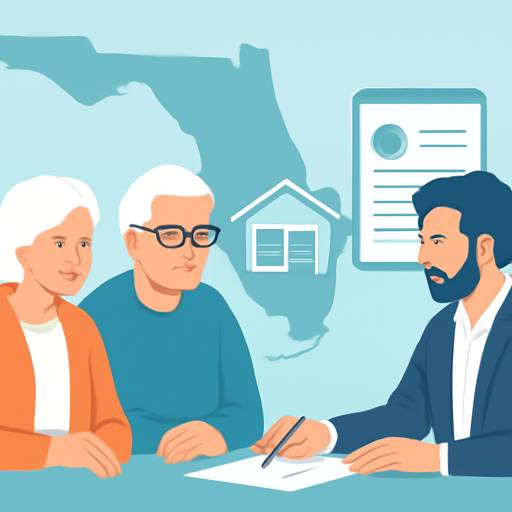
Homestead protections are a hallmark of Florida elder law. The primary residence often enjoys creditor protection and favorable property tax treatment, but it also comes with restrictions on devise and transfer if the homeowner is survived by a spouse or minor child. These rules shape whether a will, trust, or deed-based plan (such as a Lady Bird deed) is the best fit. A Lady Bird deed can allow a homeowner to retain control during life while naming beneficiaries to receive the property at death without probate—an approach that may also help with Medicaid estate recovery planning when used appropriately.
Revocable living trusts, beneficiary designations, and pay-on-death or transfer-on-death arrangements (for accounts) can streamline asset transfers and keep sensitive financials out of the public record. For families with substantial qualified retirement accounts, integrating beneficiary designations with a well-drafted trust can help manage tax timelines under modern distribution rules while protecting heirs who may be minors or have special needs. Thoughtful estate planning also addresses digital assets, caregiver compensation agreements, and succession of agents so that if a primary decision-maker is unavailable, the plan doesn’t stall at a critical moment.
Even with the best documents, vigilance against financial exploitation is vital. Florida provides civil and criminal remedies, including injunctions to protect vulnerable adults. Naming trustworthy agents, requiring dual oversight on large transactions, and documenting caregiver contracts can deter abuse and create a clear record if questions arise. A strong paper trail is not merely a legal nicety—it’s a protective shield for seniors and the family members who support them.
Real-World Florida Scenarios: Bringing Planning to Life With Practical Strategies
Consider a retired couple in Broward County. The husband experiences a sudden health decline and needs nursing home care. Their savings sit just over Medicaid’s asset limit, while the wife depends on monthly income to cover mortgage, utilities, and medications. A coordinated plan can restructure countable assets, establish a Qualified Income Trust, and invoke spousal allowances so the wife keeps enough income to remain secure at home. With the right timing, the husband can qualify for Medicaid within months rather than spending everything down.
In another scenario, a widow in Lee County wants to remain in her condominium as long as possible but worries about rising costs if she needs assistance. She engages in early Medicaid planning to prepare for Florida’s home- and community-based services, which often have waitlists. By aligning her finances, completing an up-to-date Durable Power of Attorney with the necessary specific powers, and exploring a Lady Bird deed to pass the condo to her children, she secures a path to afford help at home and keeps options open if she later needs assisted living.
Blended families face unique hurdles. Suppose a Jacksonville resident has children from a prior marriage and recently remarried. A revocable trust can ensure the new spouse has housing and financial support, while ultimately preserving a legacy for the children. Homestead restrictions and elective share rules influence how to structure the plan; a carefully drafted trust, coordinated with homestead strategy, avoids unintended disinheritance and family disputes.
Special needs planning is equally important when an older adult has a disabled child. A third-party special needs trust can provide supplemental care without jeopardizing the child’s public benefits, and ABLE accounts can add everyday flexibility for qualified expenses. If a parent needs Medicaid and has excess income, a pooled special needs trust may help manage spend-down while improving the parent’s quality of life through permitted purchases—an example of using elder law tools creatively to solve intertwined needs.
Finally, imagine a “snowbird” who relocates permanently to Florida. Out-of-state documents may not reflect Florida’s rules. Updating the Durable Power of Attorney to Florida standards, confirming healthcare directives are recognized by local providers, and revisiting homestead status can close gaps that otherwise surface during emergencies. If cognitive decline advances, less restrictive alternatives to guardianship—like a well-crafted power of attorney and supported decision-making—should be explored first; when court oversight is unavoidable, pre-need guardian designations can help ensure the senior’s voice is heard.
Across these scenarios, the themes remain constant: align care needs with funding sources, protect the family home with Florida-specific tools, empower trusted decision-makers, and reduce conflict through clarity. When documents, benefits, and real-life caregiving plans work together, Florida elder law becomes more than statutes and forms—it becomes a framework for living well, on your terms, at every stage of aging.

Delhi-raised AI ethicist working from Nairobi’s vibrant tech hubs. Maya unpacks algorithmic bias, Afrofusion music trends, and eco-friendly home offices. She trains for half-marathons at sunrise and sketches urban wildlife in her bullet journal.